Project / Think Tank /
AA Sensorium
Sensorium Think Tank
A think-tank at the Architectural Association exploring simulation, sensitivity, and intelligence in the architecture of design.
- Type
- Think-tank and simulation research
- Host
- Technical Studies Department, Architectural Association
- Initiated by
- Interfacing Research Laboratory
- Focus
- Simulation, sensitivity, intelligence, digital twins
Project Context
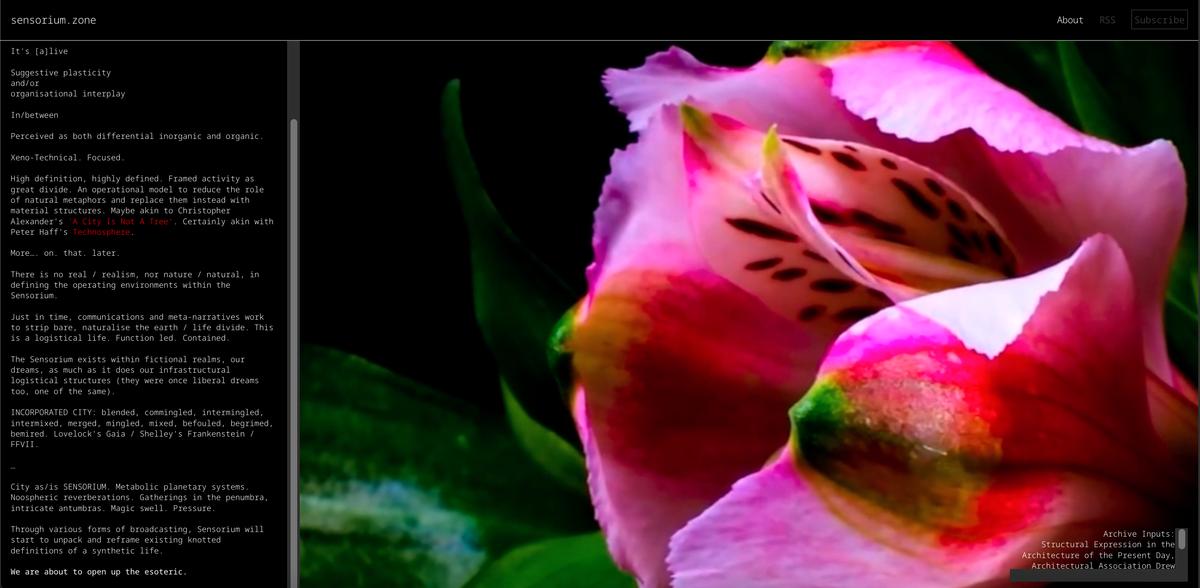
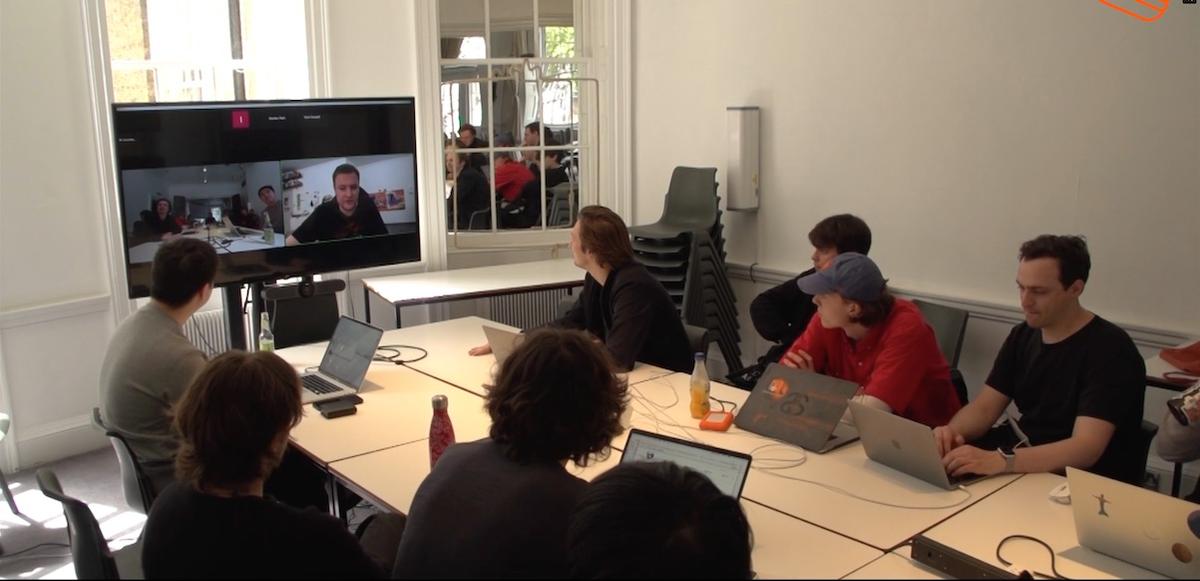
AA Sensorium was a think-tank hosted by the Technical Studies Department at the Architectural Association in London, initiated by IRL to explore simulation, sensitivity, and intelligence in the architecture of design.
The project began with a simple question: how do we gather, discuss, and design possible futures within a mutable and evolving digital landscape?

Beyond Digital Twins
In commercial contexts, digital twins have become the dominant model. These digital replicas of physical systems are designed to optimise operations, reduce errors, and increase efficiency across industries from manufacturing to urban planning.
Yet their strength is also their limitation. They produce seamless, textureless models of reality, focused on control and replication. This emphasis sidelines the dynamic, metabolic, and symbiotic relationships between technology and society that drive real transformation.
Expanding the Sensorium
AA Sensorium diverged from conventional approaches by asking what happens when sensitivity, multiplicity, and complexity are introduced into simulation environments.
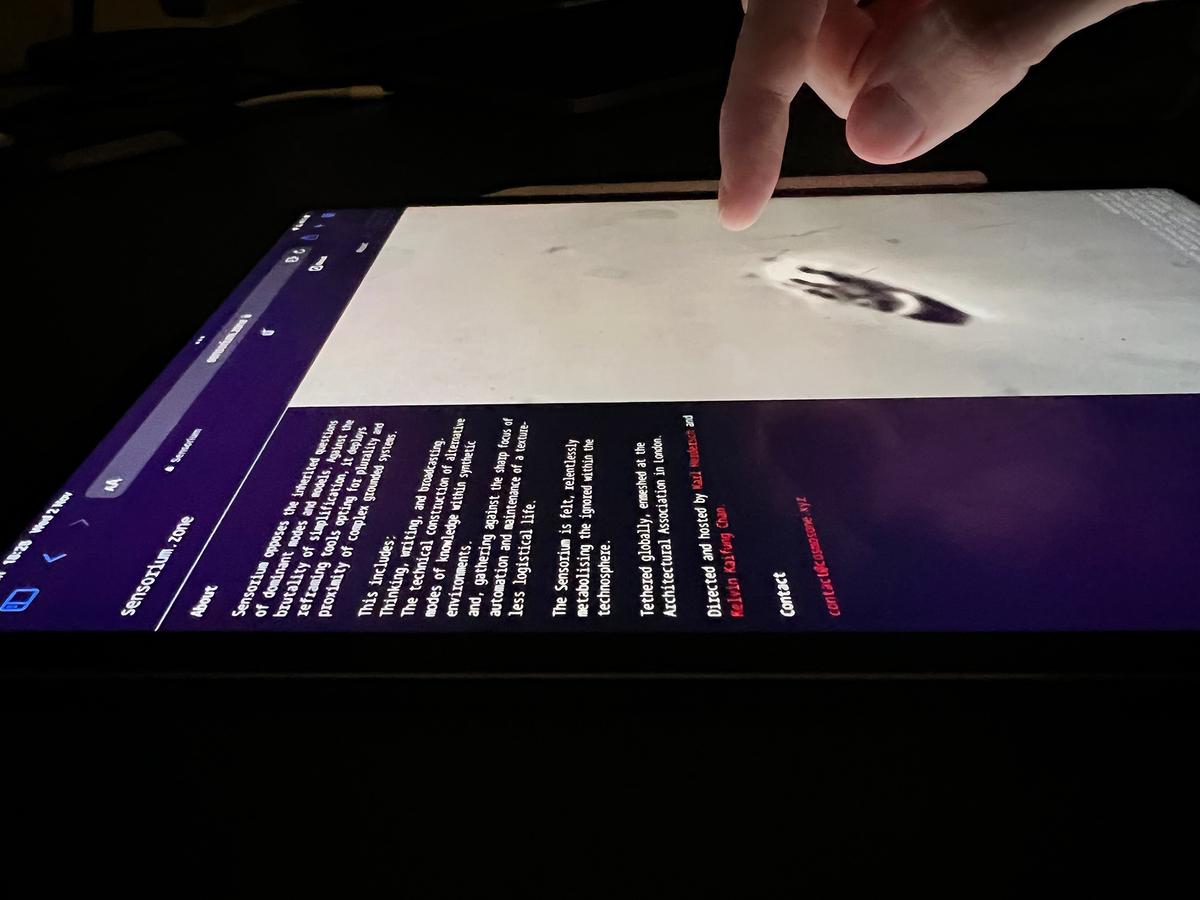
The think-tank became a space for thinking and writing that challenged the flatness of efficiency-driven models; broadcasting and discussion that invited diverse perspectives; and alternative modes of knowledge that acknowledged the messy entanglements of the technosphere.
Instead of treating simulations as closed systems of optimisation, the project framed them as open environments for negotiation, where designers, researchers, and stakeholders could experiment with new imaginaries.
Simulation as Cultural Practice
The technosphere is not static. It evolves in step with human society, reshaping itself through culture, infrastructure, and technological advance. Without acknowledging this metabolism, simulations risk becoming blind instruments of control.
AA Sensorium highlighted the need for design frameworks that are both computational and cultural, both systemic and sensitive. This shift enables industries and institutions to move beyond efficiency and towards holistic adaptation in a rapidly changing world.
Arenas for Complexity
This project sought to expand the role of simulation beyond logistics and replication. By positioning artificial environments as arenas for complexity, AA Sensorium opened space for new futures to be imagined, discussed, and designed.
In this sense, the Sensorium sits beside a broader question of operating intelligence: how can interfaces make context, ambiguity, and social metabolism available to the people and systems making decisions?