Project / Architecture /
Argyle Place
Planning Friction as Architectural Method
A concept proposal that treats friction in Hong Kong's planning policy as a catalyst for architectural innovation.
- Type
- Architectural concept proposal
- Region
- Hong Kong
- Focus
- Planning policy, typology, friction, logistical urbanism
- Method
- Domestic and non-domestic typology study
Project Context
Argyle Place is a concept proposal that treats friction in Hong Kong's planning policy as a catalyst for architectural innovation.
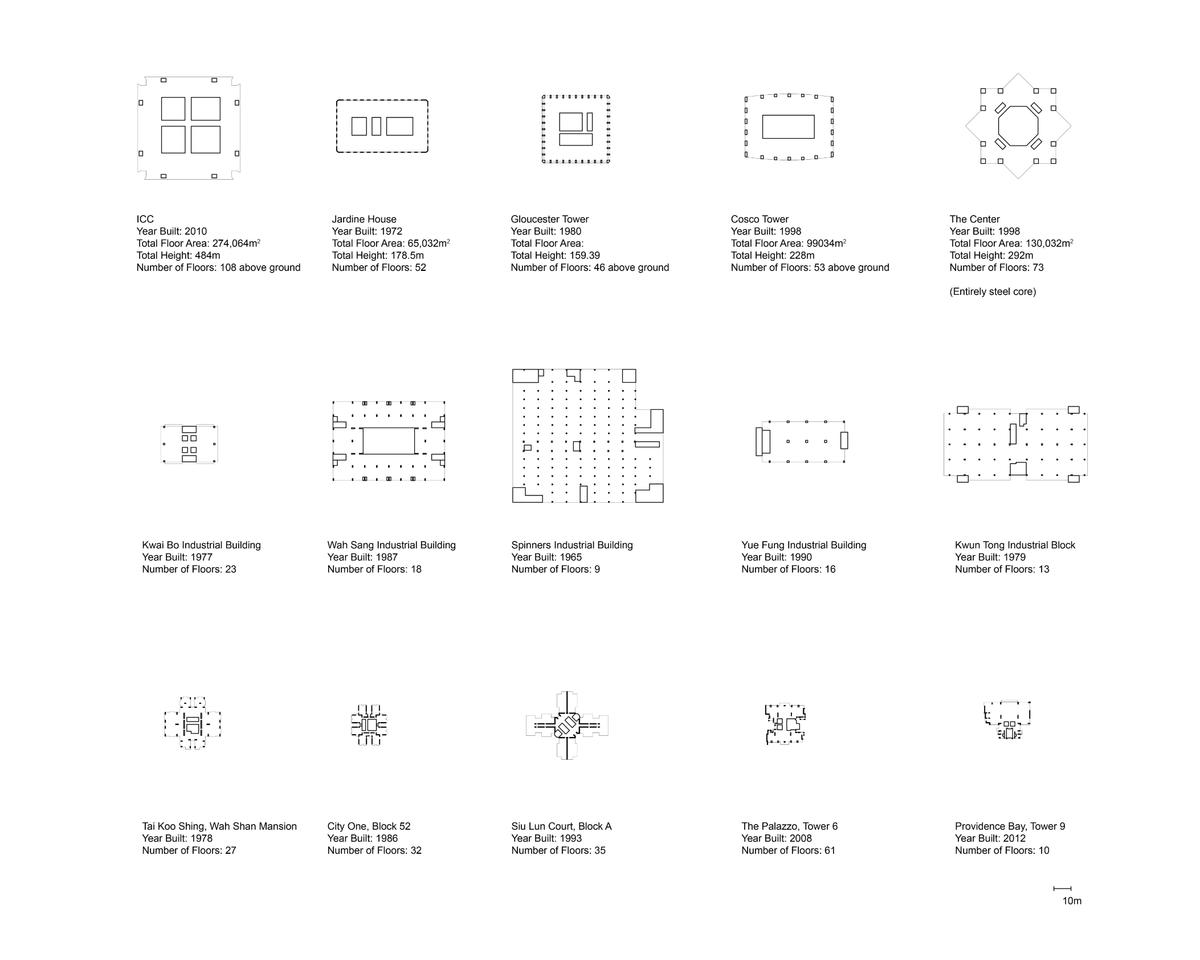
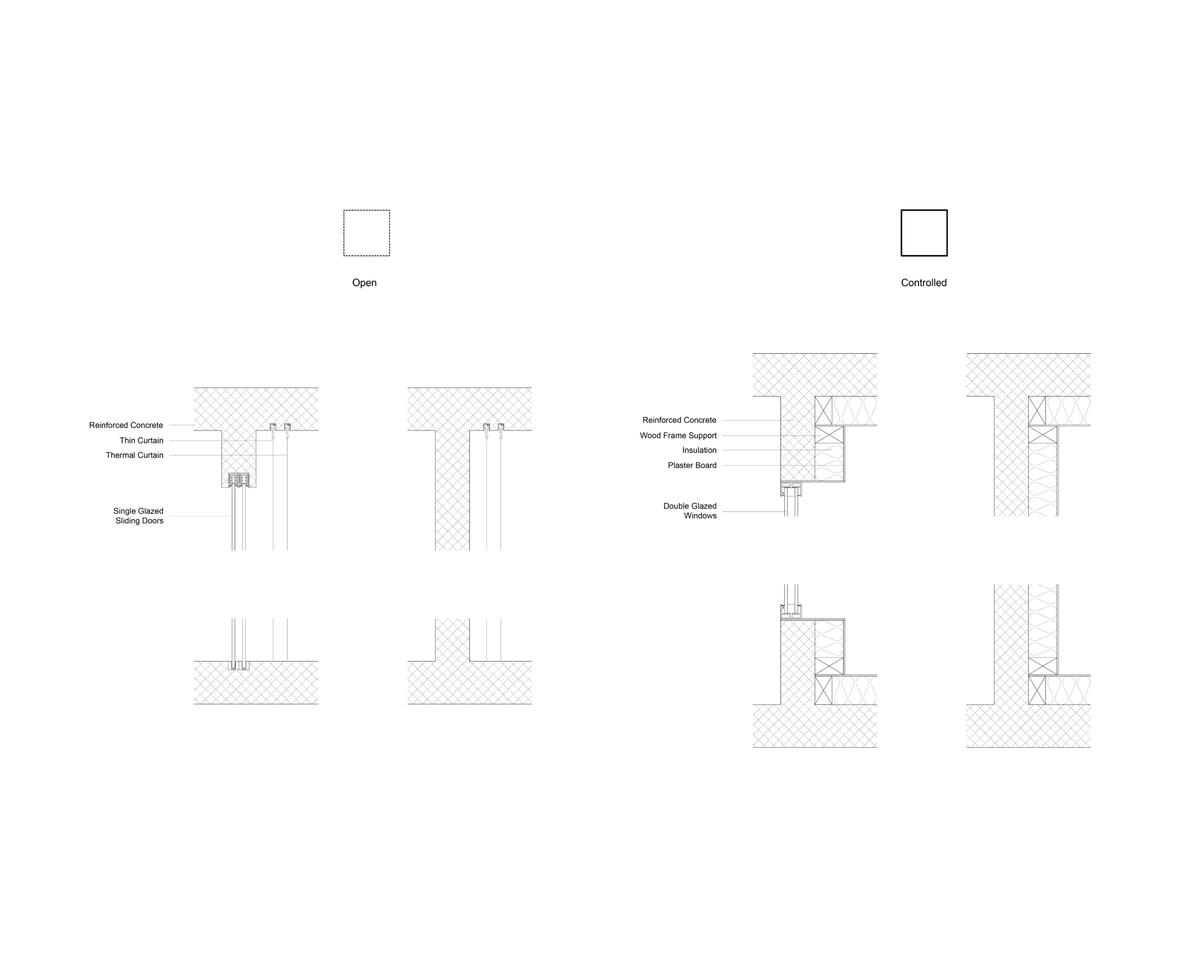
The project begins from a regulatory binary. In Hong Kong, planning legislation divides buildings into two categories: domestic and non-domestic. This separation has produced contrasting typologies, the thin plan and the deep plan, which have come to define much of the city's architecture.
Context and Dichotomy
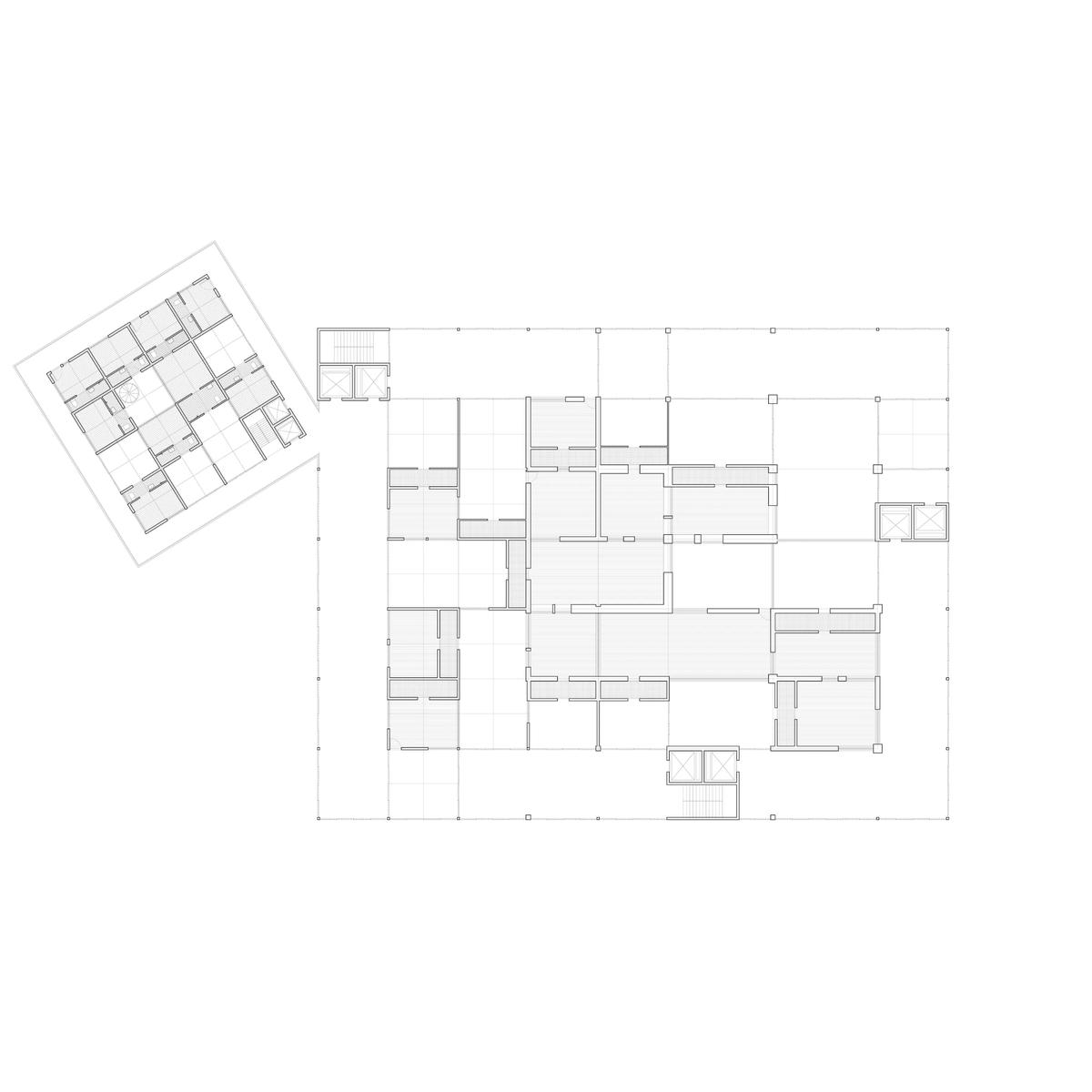
The domestic and non-domestic distinction is efficient, but it also limits the overlaps, negotiations, and unexpected interactions between uses and inhabitants. It stabilises use by separating architectural forms into categories that can be administered, valued, and repeated.
Argyle Place treats this dichotomy as an architectural problem. The thin plan and the deep plan are not only formal differences; they are products of legislation, logistics, environmental control, ownership, and everyday use. The project asks what becomes possible when these categories are allowed to collide.
Friction as Design Method
Argyle Place embraces legislative friction as an opportunity. Instead of smoothing over the clash between thin and deep plans, the proposal exploits it as an active design strategy.
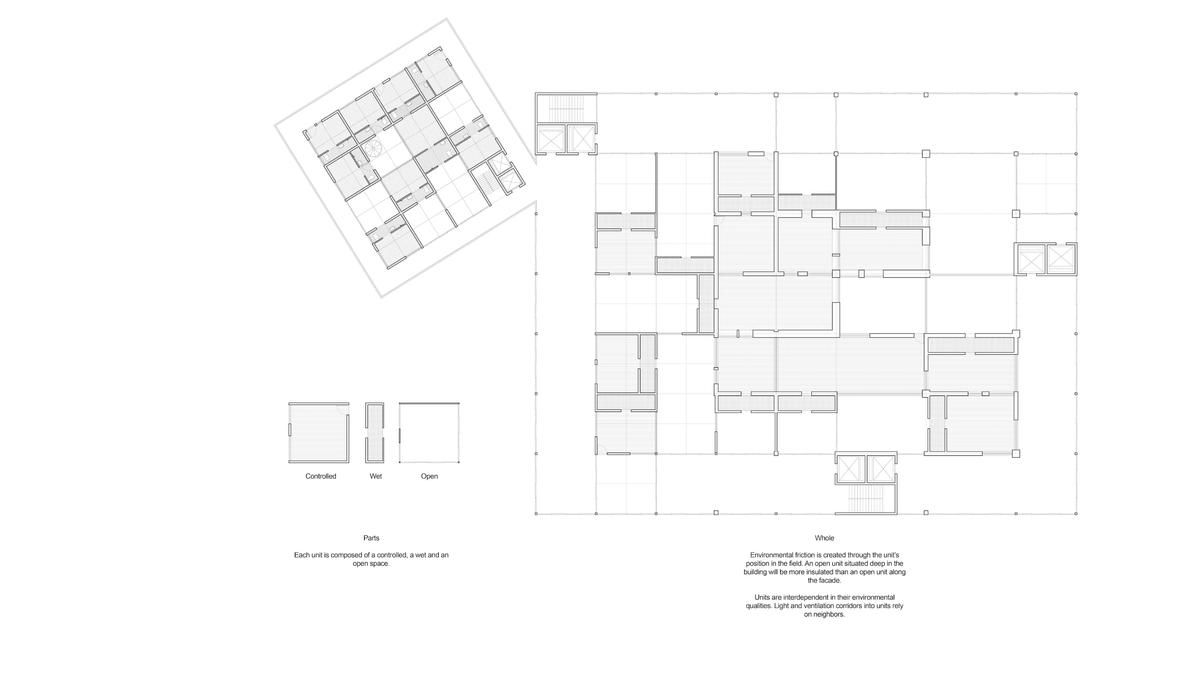
Spaces are generated at the intersections of incompatible rules, creating moments where domestic and non-domestic conditions converge and resist easy categorisation. Friction becomes a way of producing architectural specificity rather than a condition to be removed.
Toward a Logistical City
By refusing the neat division of typologies, Argyle Place imagines a hybrid urban form that is fluid and adaptive. The project reframes the logistical city not as a system of compliance, but as a space of negotiation, where boundaries are porous and multiple programs can coexist.
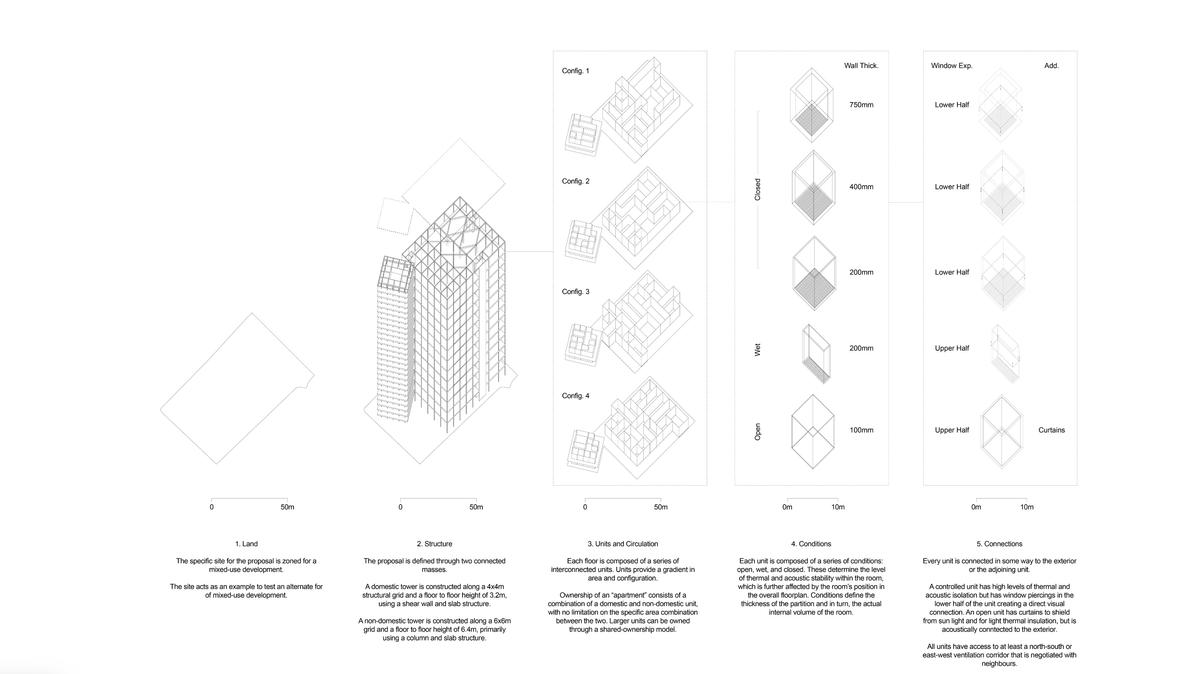
The proposal is defined through two connected masses. A domestic tower is organised around one structural logic, while a non-domestic tower is organised around another. The architectural question is not how to hide the incompatibility between them, but how to make the negotiation productive.
Inhabitants as Programmers
At its core, the proposal shifts emphasis from planning to programming. Instead of being constrained by rigid zoning, inhabitants are invited to become active programmers of their environment, shaping Argyle Place according to evolving needs.
This creates a responsive urban condition: one where diversity thrives, negotiation is continual, and the city becomes a canvas for collective imagination. Ownership is no longer only the possession of a fixed apartment type, but a combination of domestic and non-domestic units that can be configured across changing spatial needs.
Project Contribution
Argyle Place demonstrates how friction, rather than uniformity, can become a tool for urban design. By transforming planning conflict into architectural opportunity, the project envisions a future for Hong Kong where typologies are not fixed, but contested, hybridised, and lived.
The proposal extends the question of operating context into architecture. Rules are not treated as background constraints; they become material. The city is shaped by the way legislation, ownership, infrastructure, and inhabitation are allowed to interact.